โครงการ “เปิดโลกทัศน์จีนศึกษา ครั้งที่ 7 : สถาปัตยกรรม ใบชา อาหาร นานาสาระ-อารยปัญญาจีน”
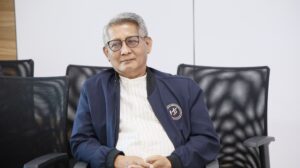
วัน จันทร์ ที่ 3 มีนาคม 2568 ผศ. ดร.เสน่ห์ บุญกำเนิด รองอธิการบดี ฝ่ายบริหารและระบบอำนวยการ รักษาราชการแทน คณบดีคณะมนุษยศาสตร์และสังคมศาสตร์ ให้เกียรติเป็นประธาน เปิดโครงการ “เปิดโลกทัศน์จีนศึกษา ครั้งที่ 7 : สถาปัตยกรรม ใบชา อาหาร นานาสาระ-อารยปัญญาจีน”
วัตถุประสงค์ให้นักศึกษาได้ร่วมปริทัศน์ในฐานะที่เป็นแหล่งอารยธรรมเก่าแก่ที่ทรงคุณค่า ผ่านเรื่องราวของสถาปัตยกรรมจีน ใบชาจีน และอาหารจีน ในแง่มุมสาระต่าง ๆ ที่ล้วนเป็นภูมิหลังที่สำคัญทั้งสิ้นของวัฒนธรรมจีน
โครงการเปิดโลกทัศน์จีนศึกษาเป็นโครงการต่อเนื่อง เพื่อมุ่งเปิดมุมมองและโลกทัศน์ใหม่ ๆ ในแง่มุมที่เกี่ยวข้องกับจีนวิทยาในหลายบริบท เพื่อให้นักศึกษาได้มีความรู้ที่รอบและลึกนอกเหนือจากภาษา โดยสลับสับเปลี่ยนจุดเด่นหรือหัวเรื่องให้หลากหลายแตกต่างกันไปในแต่ละปี เนื่องจากสาขาภาษาจีนเห็นว่าบริบทภูมิหลังเหล่านี้เป็นกุญแจสำคัญที่ช่วยให้ผู้เรียนไขความเข้าใจภาษาได้ถึงแก่นแท้มากยิ่งขึ้น เป็นการเรียนรู้ภาษาจากปัจจัยโดยรอบในทุกบริบท เพราะภาษาและบริบทภูมิหลังเหล่านั้นเปรียบเสมือกระจกเงาส่องสะท้อนซึ่งกันและกัน
วิทยากรดร.สุขพรรษา จตุรวัฒนาคณะครุศาสตร์ จุฬาลงกรณ์มหาวิทยาลัย
“The 7th Chinese Studies Exploration Project: Architecture, Tea Leaves, Cuisine, and Various Aspects of Chinese Wisdom”
On Monday, March 3, 2025, Associate Professor Dr. Sanae Boonkamnoed, Vice President for Administration and Operational Systems, Acting Dean of the Faculty of Humanities and Social Sciences, presided over the opening ceremony of the project entitled “The 7th Chinese Studies Exploration Project: Architecture, Tea Leaves, Cuisine, and Various Aspects of Chinese Wisdom.”
The project aimed to provide students with the opportunity to explore China as a valuable ancient civilization through the perspectives of Chinese architecture, tea, and cuisine, highlighting various aspects that form an essential foundation of Chinese culture.
The Chinese Studies Exploration Project is an ongoing initiative aimed at broadening perspectives and opening new horizons across various contexts related to Chinese studies. It seeks to equip students with comprehensive and in-depth knowledge beyond language proficiency by varying key themes or focal topics each year. The Chinese program recognizes that these cultural and contextual backgrounds are essential keys that enable learners to achieve a deeper understanding of the language. In this way, language learning is approached through its surrounding contexts, as language and its cultural background function like mirrors that reflect one another.